
07
Jul
Lagos is known for its intense tropical storms and heavy downpours that can turn a peaceful compound into a hazard zone in minutes. When a tree on your property is suddenly leaning precariously, dropping massive branches, or showing signs of imminent collapse, it’s no longer a landscaping issue—it’s an emergency.
At Neatscape, we understand that a dangerous tree waits for no one. Whether it’s a result of a late-night storm or shifting coastal soil, knowing how to react can prevent a catastrophe.
Phase 1: Immediate Safety Steps
Before you pick up a tool or call for help, your priority must be the safety of everyone in the vicinity.
-
Evacuate the “Fall Zone”: Identify the direction the tree is leaning and ensure all family members and staff stay clear of that area. Remember, a tree can fall much further than its height if branches shatter upon impact.
-
Move Vehicles and Assets: If it is safe to do so, move cars, generators, and outdoor furniture away from the tree’s potential path.
-
Cordon Off the Area: Use tape, ropes, or even heavy chairs to create a physical barrier to prevent people from accidentally walking under the tree in the dark or during rain.
Phase 2: Assess the Critical Danger Signs
How do you know if it’s an immediate emergency? Look for these specific red flags:
-
Heaving Soil at the Base: If you see the ground lifting or roots snapping near the trunk, the tree’s foundation has failed. It could fall at any second.
-
Tree Tangled in Power Lines: DO NOT TOUCH. If a tree or branch is touching electrical wires, stay at least 10 meters away. This is a high-voltage hazard that requires professional intervention.
-
Deep Cracks in the Trunk: A vertical split or a large cavity that has suddenly worsened indicates the tree’s structural integrity is gone.
-
Suspended “Hangers”: Large branches that have snapped but are currently caught in the canopy are a silent threat, ready to drop with the next gust of wind.
Phase 3: Why You Should Never DIY an Emergency Felling
When panic sets in, it’s tempting to grab a machete or a chainsaw and try to “help” the tree down. In Lagos, this often leads to more harm than good for several reasons:
-
Unpredictable Tension: A leaning or fallen tree is under immense structural tension. Cutting the wrong branch can cause the tree to “spring” or kick back with lethal force.
-
Structural Damage: Without professional rigging, a DIY attempt can result in the tree falling onto your roof, fence, or your neighbor’s property.
-
The “Sail” Effect: In the middle of a Lagos storm, the wind can catch a partially cut tree and whip it in a direction you didn’t plan for.
How Neatscape Handles Your Emergency
When a tree becomes a threat overnight, Neatscape provides the rapid response and technical expertise needed to secure your property. Our emergency protocol focuses on:
-
Rapid Hazard Stabilization: We don’t just start cutting; we first stabilize the situation to prevent further damage to your home.
-
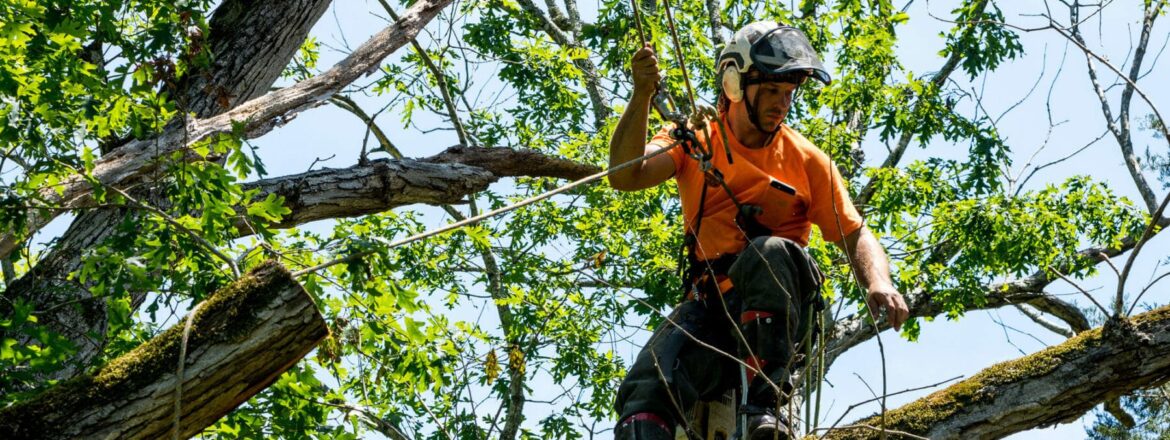
Precision Rigging: Using professional-grade ropes and harnesses, we “dismantle” dangerous trees piece-by-piece to ensure every segment is lowered safely to the ground.
-
Power Line Safety: We work with an understanding of local utility risks to ensure felling is done without causing electrical accidents.
-
Storm-Proof Advice: After the emergency is over, we provide a full compound assessment to identify other trees that might pose a risk in the next storm.
Don’t Wait for the Crash
If you woke up to a leaning tree or heard the crack of a major limb last night, don’t wait for the next storm to finish the job. A dangerous tree is a liability you can’t afford.
Contact Neatscape immediately for emergency tree assessment and felling. We help you keep your Lagos home safe, even in the middle of a storm.
